
 By
By 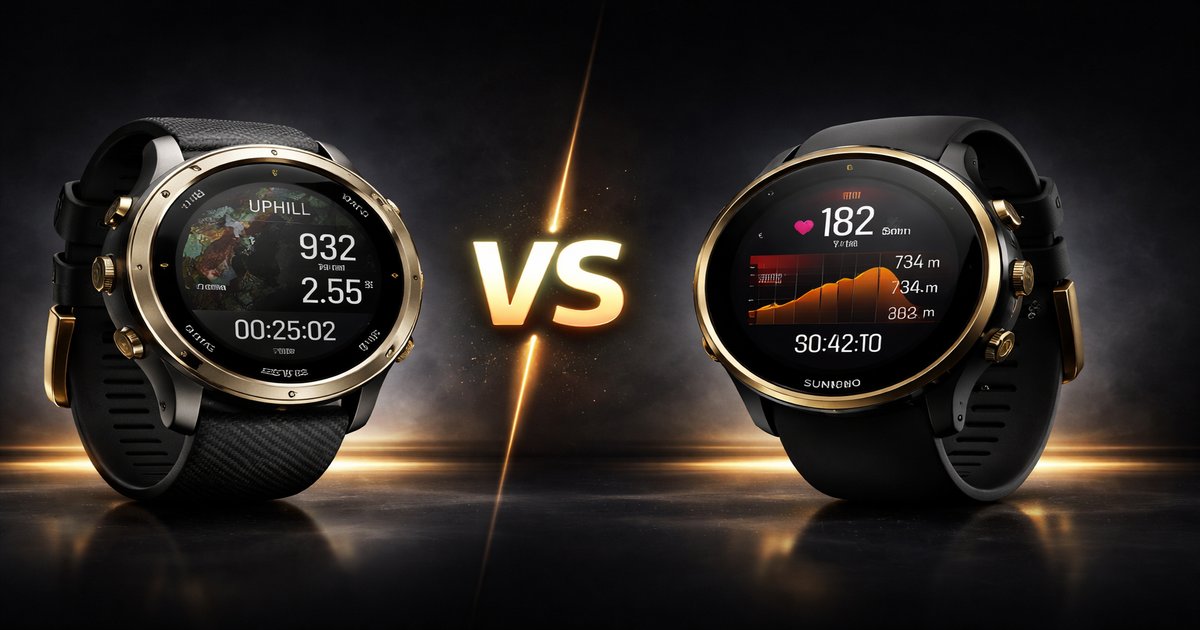
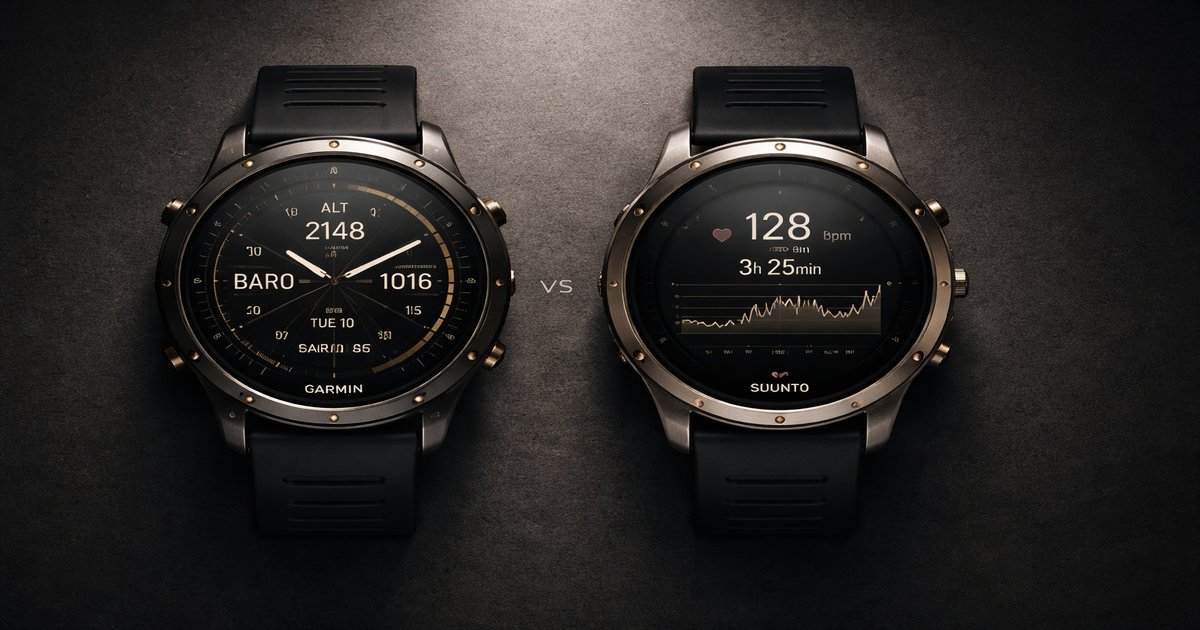
You’re on the hunt for a multisport watch to track your every move, but you’re torn between the more established Garmin or the adventure-driven Suunto. Both brands have passionate followings and offer robust features, but which one will really elevate your training game?
| Feature | Garmin | Suunto |
|---|---|---|
| Battery Life (GPS Mode) | 36 hours | 25 hours |
| Weight | 50g | 74g |
| Heart Rate Monitoring | ✓ | ✓ |
| Water Resistance | 100 meters | 100 meters |
| Music Storage | ✓ | ✗ |
| Mapping and Navigation | Full-color maps | Breadcrumb navigation |
✅ Garmin Pros
- Extensive app ecosystem with Connect IQ
- Longer battery life in GPS mode
- Advanced mapping and navigation features
❌ Garmin Cons
- Higher price point
- Complex interface for beginners
✅ Suunto Pros
- Robust build quality ideal for rugged adventures
- User-friendly interface
- Excellent for mountain and trail sports
❌ Suunto Cons
- Shorter battery life
- Lacks music storage
Performance and Tracking Accuracy
Garmin’s heart rate and GPS tracking are top-notch, offering precise data that athletes crave. It’s the go-to for urban runners and triathletes. Suunto, while not as pinpoint in urban settings, excels in mountainous or trail environments where signal strength can falter. If your playground is a concrete jungle, Garmin’s your best bet. But for those off-grid adventures, Suunto’s robust build and reliable tracking in tough terrains make it a worthy companion.
Build Quality and Comfort
Garmin watches are lighter, making them more comfortable for daily wear and long endurance events. Suunto, however, offers a tank-like build that can withstand serious abuse—perfect if you’re the type who tackles rugged trails or climbs. While Garmin focuses on sleekness with its lightweight design, Suunto emphasizes durability and ruggedness. If comfort for long periods is crucial, lean towards Garmin. But if your adventures are more extreme, Suunto won’t disappoint.
Value for Money
Garmin offers a broad range of price points, ensuring there’s something for every budget. Its features may justify the higher price tags, especially for tech enthusiasts. Suunto, while generally more affordable, provides excellent value if you’re seeking a straightforward, reliable tool for outdoor exploits. For tech-heavy needs and app integration, Garmin justifies its cost. If simplicity and durability are your priorities, Suunto delivers solid value.
Garmin’s features can be overwhelming if you don’t need all the bells and whistles, and battery life can drop drastically with all functions engaged. Suunto’s lack of music storage might be a dealbreaker if you like tunes on the go, and its shorter battery life means more frequent charging sessions.
Our Final Verdict: Which One Should You Buy?
If you’re a tech-savvy athlete who thrives on data, Garmin is your match. Its advanced features and app integrations cater to those who love analyzing every detail of their workouts. Suunto is your go-to if your adventures are wild and off the beaten path, valuing rugged durability and straightforward functionality over tech overload. Choose Garmin for urban races and triathlons; opt for Suunto on your next mountain expedition.
Is Garmin or Suunto better for trail running?
Suunto is generally better for trail running due to its robust build and reliable tracking in challenging terrains.
How does the battery life compare in real-world use?
Garmin tends to last longer in GPS mode, but real-world use varies based on features engaged. Frequent full-feature use will drain either watch faster.
Can I use either watch for swimming?
Yes, both Garmin and Suunto watches are water-resistant up to 100 meters, making them suitable for swimming.










Comments