
 By
By 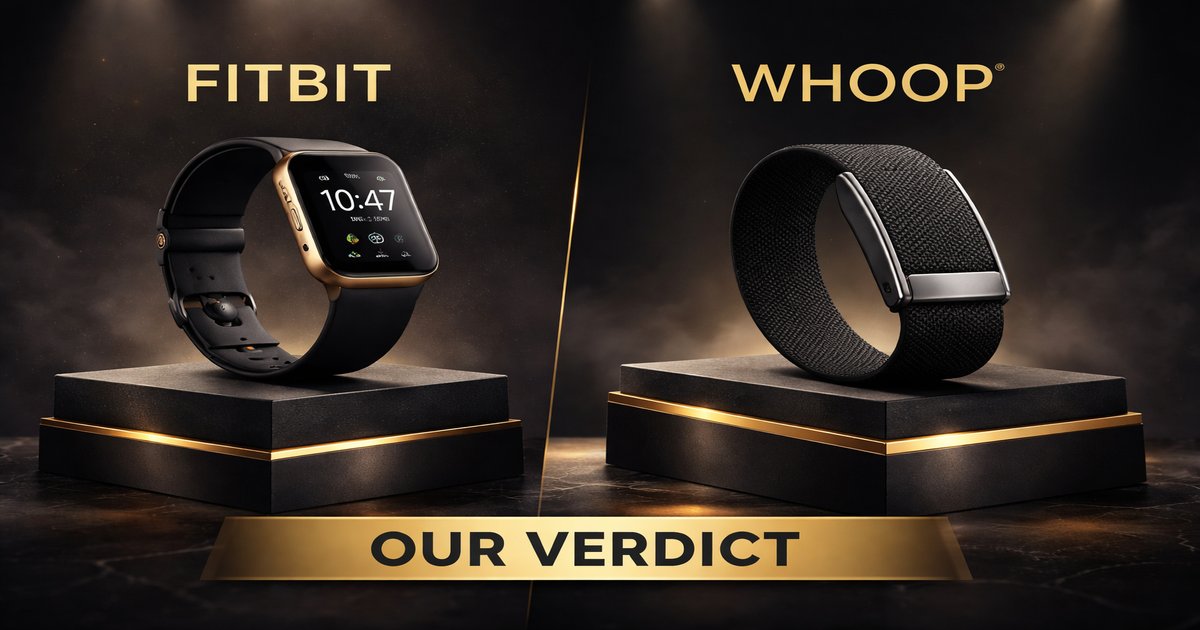
You’re on the hunt for a fitness tracker, but every option feels like a gamble. Do you go with Fitbit’s trusted name or dive into Whoop’s data-driven world? Let’s break it down so you can stride confidently towards your fitness goals.
| Feature | Fitbit | Whoop |
|---|---|---|
| Heart Rate Monitoring | ✓ | ✓ |
| Battery Life | 5-7 days | 4-5 days |
| Monthly Subscription Required | ✗ | ✓ |
| Sleep Tracking | ✓ | ✓ |
| Built-in Display | ✓ | ✗ |
| Water Resistance | Up to 50 meters | ✓ |
✅ fitbit Pros
- Comprehensive health metrics including steps, heart rate, and more.
- Built-in display for real-time stats and notifications.
- No subscription required for basic features.
❌ fitbit Cons
- Limited insights compared to Whoop’s data analysis.
- Battery life could be better for intensive users.
✅ whoop Pros
- Advanced recovery and strain insights for athletes.
- Lightweight and comfortable to wear 24/7.
- Consistent updates and improvements via app.
❌ whoop Cons
- Requires a monthly subscription to access data.
- No built-in display means you rely on your phone for info.
Performance and Data Accuracy
Fitbit offers reliable tracking with decent accuracy for the average user. It covers the essentials like steps, heart rate, and sleep, but if you’re looking for a deep dive into your fitness data, it might fall short. Whoop, on the other hand, is a data fiend’s dream. It’s all about recovery and strain, providing valuable insights into how your body is handling your workouts. For serious athletes or those who want to optimize every aspect of their health, Whoop’s data analysis is unmatched.
Build Quality and Design
Fitbit devices come with a built-in display that makes checking your stats convenient and quick. The design is sleek and user-friendly, fitting nicely into daily life without being obtrusive. Whoop, however, is minimalist with no display. It’s designed for comfort and can be worn all day without notice. This design choice emphasizes the data-driven approach by focusing on long-term wearability rather than immediate feedback.
Value for Money
Fitbit offers great value, especially if you want a reliable tracker without ongoing costs. It’s perfect for those who appreciate upfront pricing over subscription models. Whoop, with its subscription model, caters to those who see value in comprehensive, ongoing health insights. Over time, Whoop might become pricy, but if you’re committed to optimizing your fitness, the insights can justify the cost.
Fitbit may not update its software as frequently as Whoop, which might leave you with a less dynamic device over time. Whoop’s reliance on a subscription can be a deal-breaker if you’re not committed to long-term use. Both have their quirks, so know your priorities.
Our Final Verdict: Which One Should You Buy?
If you’re someone who wants solid, hassle-free tracking without ongoing expenses, Fitbit is the no-brainer choice. It’s perfect for casual users and those who prefer immediate feedback. For data-driven athletes and those serious about optimizing recovery and performance, Whoop is your go-to. Just be ready to commit to the subscription for the long haul.
How well do these devices fit various wrist sizes?
Fitbit offers adjustable bands that fit most wrist sizes comfortably, while Whoop’s minimal design accommodates a wide range of sizes, but might require some adjustment to get it just right.
Are these devices compatible with other fitness apps?
Fitbit integrates well with many third-party apps, enhancing its versatility. Whoop is mostly self-contained but does have some integration capabilities.
How long will these devices last?
Fitbit devices generally have a solid lifespan of a few years with proper care. Whoop, due to its subscription model, ensures you always have the latest updates and features, though the hardware itself should last similarly.








Comments