
 By
By 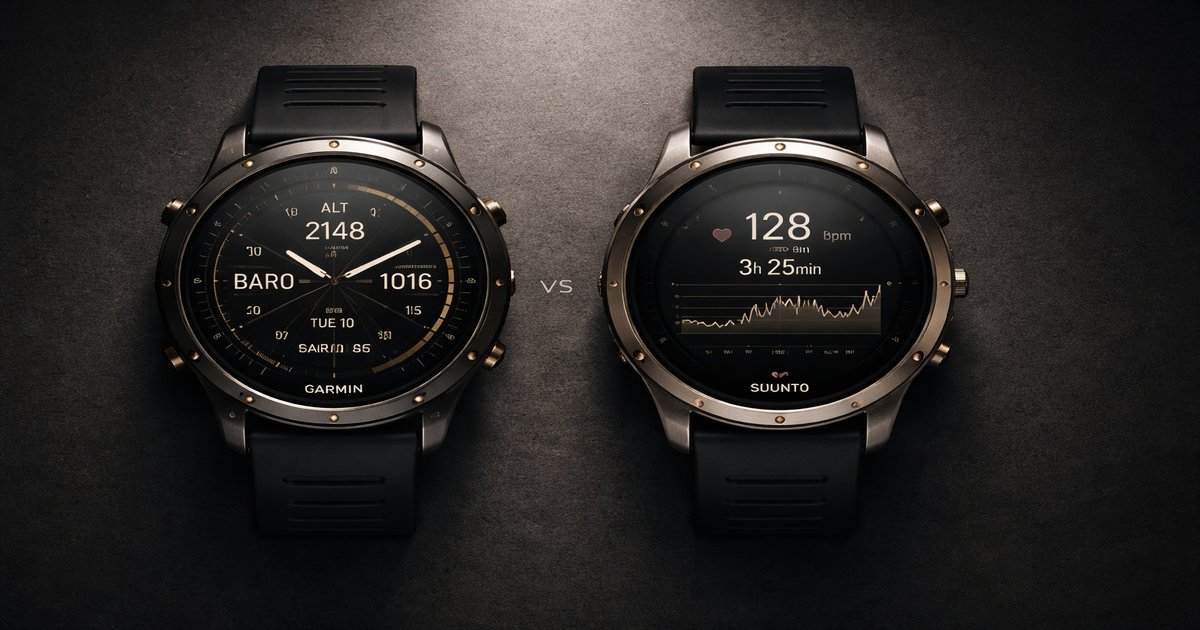
You’ve decided to take your fitness tracking game to the next level, but now you’re stuck between two titans of the wearable world: Garmin and Suunto. Both brands promise to elevate your workouts and adventures, but which one truly delivers on its promises?
| Feature | Garmin | Suunto |
|---|---|---|
| Battery Life | Up to 14 days | Up to 120 hours |
| GPS Accuracy | High | Moderate |
| Heart Rate Monitor | ✓ | ✓ |
| Water Resistance | 10 ATM | 5 ATM |
| Smart Features | Advanced | Basic |
| Price Range | $300-$800 | $250-$600 |
✅ garmin Pros
- Exceptional GPS accuracy ideal for runners and cyclists.
- Advanced smart features like music storage and contactless payments.
- Robust app ecosystem offering detailed insights and customization.
❌ garmin Cons
- Higher price point, which can be daunting for beginners.
- Complex interface could overwhelm tech novices.
- Occasional software bugs reported by users.
✅ suunto Pros
- Impressive battery life, perfect for long expeditions.
- Intuitive user interface that’s beginner-friendly.
- Durable build, designed to withstand rugged environments.
❌ suunto Cons
- GPS accuracy can be inconsistent in dense urban settings.
- Limited smart features compared to competitors.
- App lacks depth and customization options.
Performance and Battery Life
Both brands offer stellar performance, but they shine in different areas. Garmin is your go-to for accuracy, especially in tracking runs and rides with high precision GPS. If precision is your main concern, Garmin delivers. On the other hand, Suunto packs an impressive battery life that can last up to 120 hours in GPS mode, making it a solid choice for multi-day hiking trips where charging isn’t an option. If you’re an ultra-endurance athlete, Suunto’s battery will keep you covered.
Build Quality and Durability
When it comes to durability, Suunto takes the lead. Designed for harsh conditions, their watches can handle a beating whether you’re scaling a mountain or diving deep underwater. Garmin’s build quality is also solid, but its focus is more on providing a balance between ruggedness and style, making it a versatile choice for both outdoor adventures and urban settings. If you plan on pushing your gear to the limits, Suunto won’t let you down.
Value for Money
Garmin might seem pricey upfront, but its feature set justifies the investment if you’ll use its advanced capabilities. With contactless payments and music integration, it serves as an all-in-one gadget. Suunto, meanwhile, offers a more straightforward package at a lower price, appealing to those who prioritize durability and battery life over bells and whistles. If you’re budget-conscious and need a reliable companion for basic tracking, Suunto offers excellent value.
Garmin’s plethora of features might not be as beneficial if you’re not tech-savvy, and some users report a steep learning curve. Suunto, while robust, suffers from app limitations that could frustrate those seeking detailed analytics. Neither brand is perfect, so weigh these hidden limitations carefully.
Our Final Verdict: Which One Should You Buy?
If you’re a tech-savvy fitness enthusiast who craves detailed analytics and advanced smart features, Garmin is your match. Its precision and versatility make it ideal for urban athletes and data-driven users. However, if you’re an adventurer seeking reliability in extreme conditions with a preference for simplicity, Suunto will serve you well. It’s perfect for explorers who prioritize battery life and durability over gadgetry.
Is Garmin compatible with third-party fitness apps?
Yes, Garmin supports various third-party fitness apps like Strava and MyFitnessPal, enhancing your data tracking and analysis experience.
How does Suunto’s water resistance compare to Garmin’s?
Suunto offers 5 ATM water resistance, suitable for swimming, while Garmin’s 10 ATM rating supports snorkeling and high-pressure water activities.
Which watch is more suitable for long-term durability?
Suunto wins in terms of sheer durability, designed to withstand harsh environments, making it the better choice for extreme outdoor conditions.




Comments