
 By
By 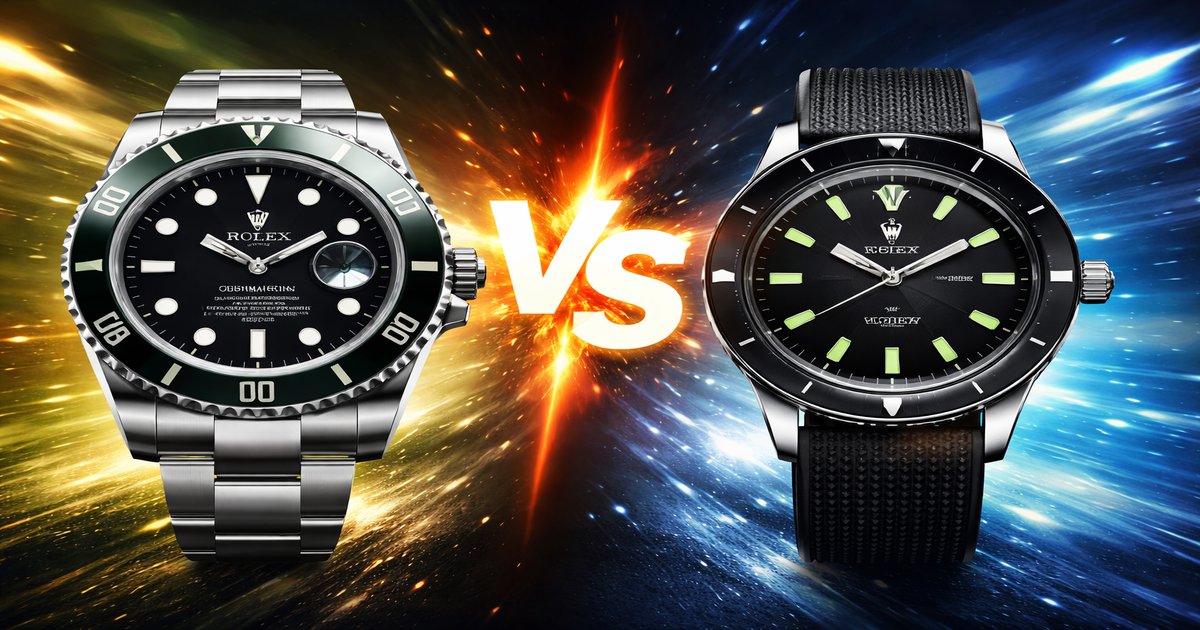
You’ve decided to invest in a luxury watch, but you’re torn between the classic prestige of Rolex and the innovative style of Rado. Both offer distinct advantages, but choosing the right one for your wrist and lifestyle isn’t as straightforward as it seems.
| Specification | Rolex | Rado |
|---|---|---|
| Brand Prestige | High | Moderate |
| Material | Oystersteel, Gold | High-tech Ceramics |
| Water Resistance | Up to 100m | Up to 200m |
| Automatic Movement | ✓ | ✓ |
| Price Range | $5,000 – $75,000+ | $1,000 – $15,000 |
| Design Variety | Classic | Contemporary |
✅ rolex Pros
- Unmatched brand recognition and prestige
- Exceptional build quality and durability
- Strong resale value
❌ rolex Cons
- Significantly higher price point
- Limited design variations for modern styles
✅ rado Pros
- Innovative use of high-tech ceramics
- Reasonably priced for luxury
- Wide range of contemporary designs
❌ rado Cons
- Less brand prestige compared to Rolex
- Resale value not as strong as Rolex
Performance and Functionality
Rolex is the epitome of luxury watch performance — their movements are legendary for precision and reliability. If you’re someone who values a watch that can withstand the test of time, literally and figuratively, Rolex is a solid bet. Rado, on the other hand, offers impressive functionality with its high-tech ceramic materials that provide superior scratch resistance and a lightweight feel. For everyday use, especially if you’re active, Rado’s durability against scratches might be more practical.
Build Quality and Materials
When it comes to build quality, Rolex’s use of Oystersteel and premium gold is synonymous with luxury and longevity. These materials ensure the watch not only looks stunning but also withstands harsh conditions. Rado’s use of high-tech ceramics sets it apart, making their watches highly resistant to scratches while offering a sleek, modern look. If you’re drawn to innovation and modern aesthetics, Rado’s material game is hard to beat.
Value and Investment
Rolex watches hold their value remarkably well, often increasing over time, which makes them an investment as much as an accessory. If you’re considering resale or simply want something that appreciates, Rolex is the way to go. Rado, while more accessible price-wise, doesn’t offer the same resale potential. However, its affordability and contemporary designs make it a great choice for those looking to enjoy a luxury watch without breaking the bank.
While Rolex is a symbol of status, the waiting lists for the most sought-after models can be frustratingly long. Rado offers a more immediate gratification, but remember, its ceramic material, while resilient, can still chip under extreme stress. Luxury comes with its quirks, no matter the brand.
Our Final Verdict: Which One Should You Buy?
If you’re after a timeless piece of engineering with immense heritage and potential investment value, and you don’t mind paying a premium for it, Rolex should be your choice. It’s perfect for the traditionalist who values legacy. On the flip side, if you prefer modern aesthetics, innovative materials, and a more wallet-friendly price tag, Rado is your match. It’s ideal for the style-savvy individual who wants luxury without the hefty price.
Is a Rolex worth the investment?
Yes, Rolex watches are known to hold or even increase in value over time, making them a solid investment for collectors and enthusiasts.
How durable is Rado’s ceramic material?
Rado’s high-tech ceramics are extremely scratch-resistant, offering superior durability for daily wear, though they can still chip under severe impact.
Do both brands offer automatic movements?
Yes, both Rolex and Rado offer watches with automatic movements, ensuring precision and ease of use without the need for battery changes.




Comments