
 By
By 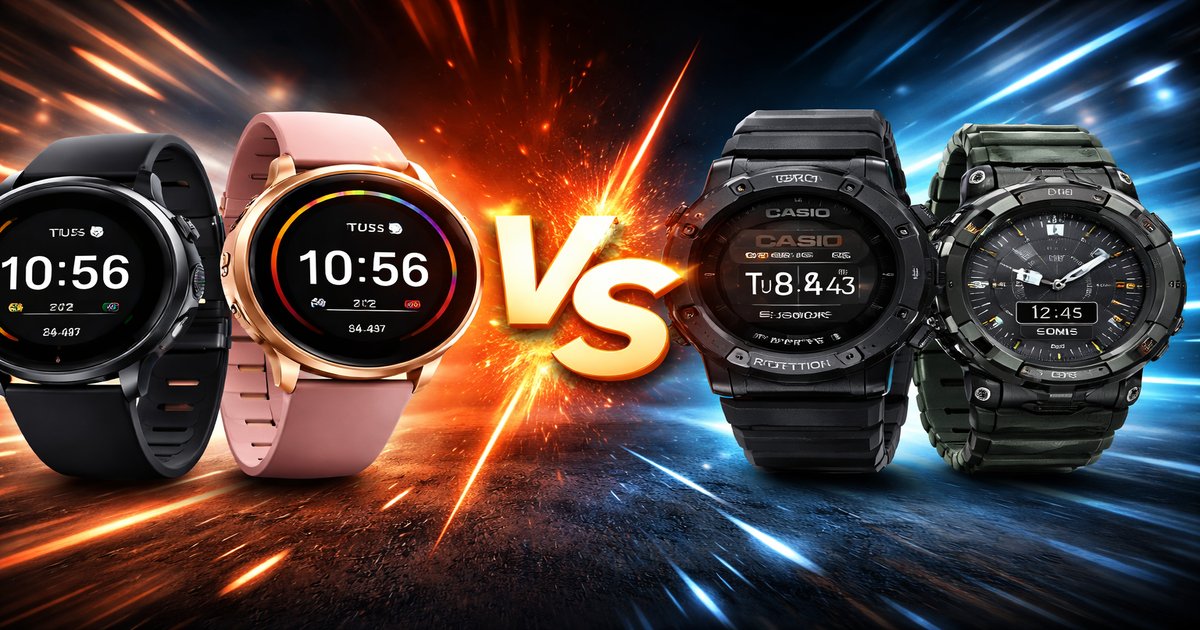
So, you’re in the market for a new watch and find yourself torn between Fossil and Casio. Fossil watches are known for their trendy designs, while Casio is synonymous with reliability and function. Let’s dig into what sets these two apart so you can make the best choice for your wrist and lifestyle.
| Specification | Fossil Watches | Casio Watches |
|---|---|---|
| Style Variety | High | Moderate |
| Price Range | $80 – $300 | $20 – $1000 |
| Smartwatch Options | ✓ | ✓ |
| Durability | Moderate | High |
| Water Resistance | Up to 50m | Up to 200m |
| Battery Life | 1-2 days | Up to 10 years |
| Warranty | 2 years | 1 year |
✅ fossil watches Pros
- Stylish designs that pair well with both casual and formal wear.
- Offers a decent range of smartwatches with modern features.
- Comes with a 2-year warranty, giving you peace of mind.
❌ fossil watches Cons
- Moderate durability; not ideal for rugged use.
- Limited water resistance, making them less ideal for swimmers.
✅ casio Pros
- Exceptional durability, suitable for outdoor enthusiasts.
- Wide price range from affordable to high-end models.
- Long-lasting battery life, particularly in non-smart models.
❌ casio Cons
- Designs may not appeal to everyone, often seen as utilitarian.
- Smartwatch features may lag behind trendier brands.
Design and Style
Fossil definitely wins in the style department, aiming for that trendy and fashionable look that seamlessly blends into both office and casual settings. Their designs often include a mix of leather and metal, appealing to those who want their watch to be a fashion statement. On the flip side, Casio is more about function over form. Their G-Shock range is the epitome of ruggedness, designed to withstand a beating, but these watches can look out of place in a formal setting. If looks matter to you, Fossil might be the winner.
Performance and Features
When it comes to performance, Casio is the clear winner. They offer features like solar power, atomic timekeeping, and insane water resistance—perfect for anyone who loves the outdoors. Fossil, while offering smartwatches, lacks the hardcore features that adventurers crave. Their smartwatches are more about notifications and fitness tracking, which is great for everyday use but won’t cut it for extreme activities. If you’re looking for a tool watch, Casio is your go-to.
Value for Money
Casio provides a broad spectrum of options from budget-friendly models to high-end watches packed with features, often offering the best bang for your buck when it comes to durability and functionality. Fossil, on the other hand, charges a premium for design and brand appeal. If you’re all about getting the most features for your dollar, Casio is tough to beat. However, if you’re willing to pay extra for style, Fossil won’t disappoint.
Fossil watches are great for the style-conscious, but don’t expect them to hold up against the elements. They’re more of a fashion accessory than a rugged tool. Casio watches, while durable, can feel bulky and might not fit well under a dress shirt cuff. Also, Casio’s smartwatch capabilities are basic compared to more sophisticated options.
Our Final Verdict: Which One Should You Buy?
If you’re a fashion-forward individual who wants a watch that complements your style, go for Fossil. It’s perfect for someone who values aesthetics and doesn’t need extreme durability. For the adventurer or someone who values functionality over form, Casio is the way to go. Its durability and range of features make it ideal for someone who needs a watch that can take a beating and still keep ticking.
Is the Fossil smartwatch compatible with iOS and Android?
Yes, Fossil smartwatches are compatible with both iOS and Android devices. You can sync them with your phone to receive notifications and track fitness metrics.
How long does a Casio watch battery last?
Casio watches, depending on the model, can have a battery life ranging from two years to a decade, especially those with solar charging capabilities.
Are Fossil watches suitable for swimming?
Most Fossil watches have a water resistance of up to 50 meters, which is adequate for light swimming but not suitable for diving or prolonged water exposure.


Comments