
 By
By 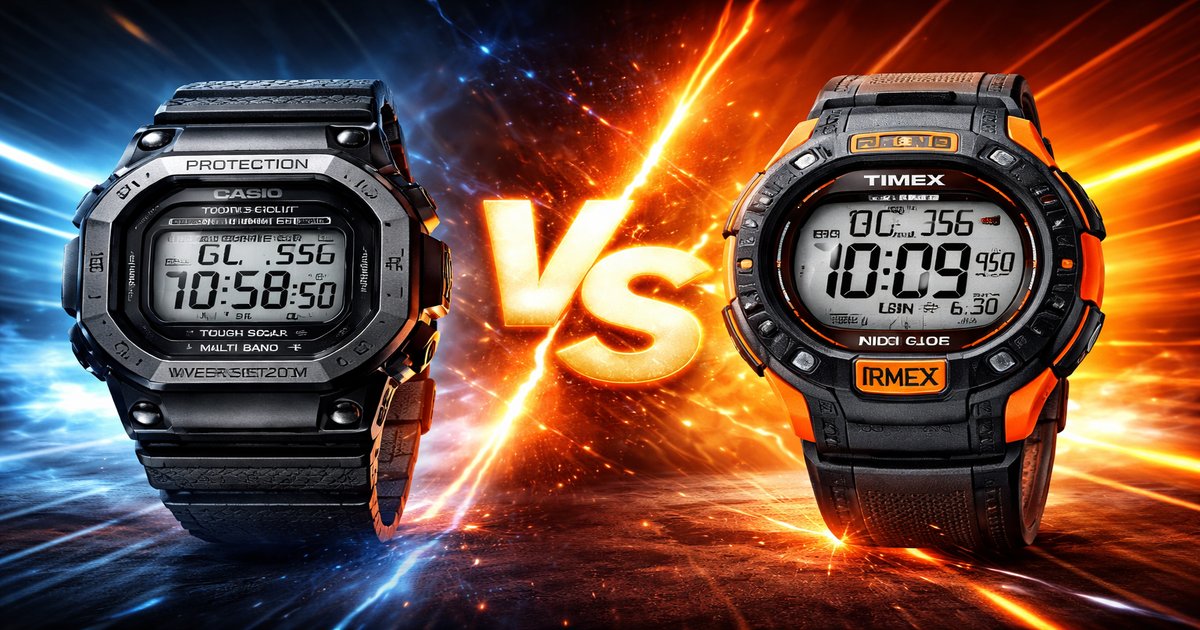
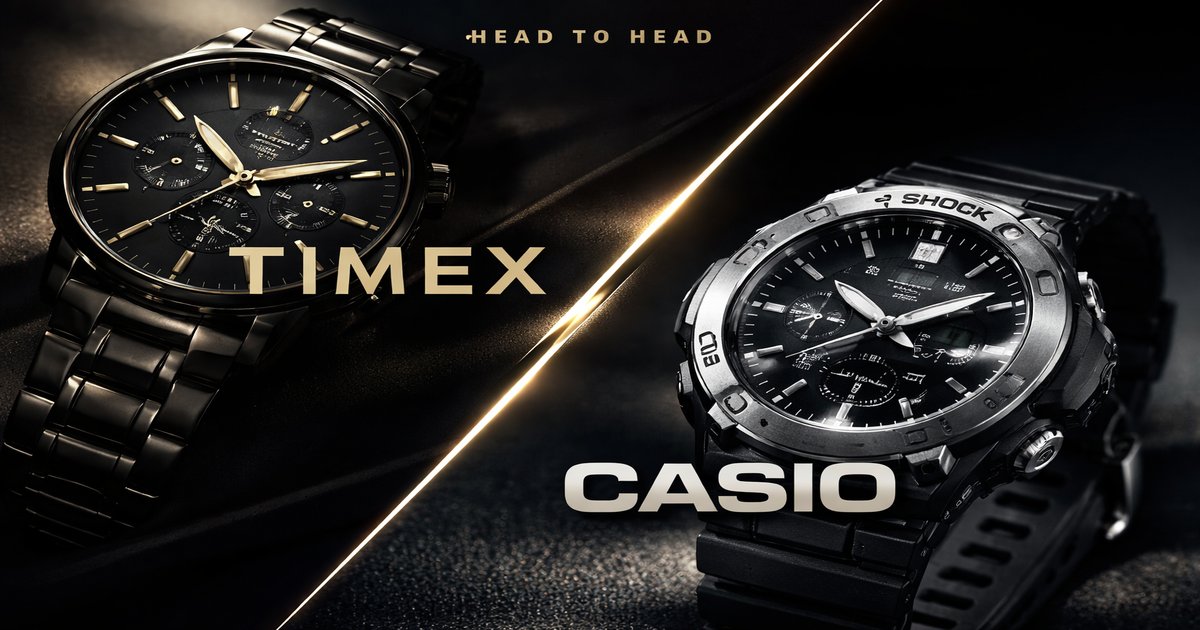
You’re looking for a reliable watch that won’t flake out during your outdoor adventures or gym workouts. Casio and Timex are both renowned for their ruggedness and affordability, but which one truly deserves a spot on your wrist? Let’s dive into the nitty-gritty and see which brand comes out on top for your active lifestyle.
| Feature | Casio | Timex |
|---|---|---|
| Water Resistance | 100 meters | 50 meters |
| Battery Life | 10 years | 5 years |
| Illumination | ✓ (LED Backlight) | ✓ (Indiglo) |
| Shock Resistance | ✓ | ✗ |
| GPS Functionality | ✗ | ✓ |
| Price Range | $30 – $200 | $30 – $150 |
✅ Casio Pros
- Superior water resistance perfect for swimmers.
- Exceptional battery life, letting you forget about replacements for a decade.
- Built-in shock resistance, making it ideal for rugged use.
❌ Casio Cons
- Lacks GPS functionality, limiting its use for tracking runs.
- Designs can be bulky, not ideal for smaller wrists.
✅ Timex Pros
- Includes GPS functionality, great for runners and hikers.
- More affordable options within a lower price range.
- Indiglo backlight is perfect for nighttime visibility.
❌ Timex Cons
- Lower water resistance, not suitable for deep diving.
- Shorter battery life means more frequent replacements.
Performance and Features
Both watches bring the essentials to the table, but they cater to different priorities. If you’re diving into the pool or caught in a downpour, Casio’s water resistance and shockproof build are unmatched. Timex, on the other hand, shines with its GPS capabilities, making it a must-have for serious runners who need precise tracking. While Timex suffices for casual swimmers, its 50-meter water resistance is a bit of a letdown for those who spend a significant amount of time underwater.
Build Quality and Durability
Casio is the go-to for durability; the brand’s shock-resistant models can take a beating, whether you’re hiking rough terrains or just accidentally dropping it. These watches are built like tanks. Timex, although not as rugged, offers solid construction with quality materials. However, if you plan to subject your watch to harsh conditions regularly, Casio’s durability is a clear winner. Timex suits a more urban lifestyle where extreme durability isn’t the highest priority.
Value for Money
Timex offers a broader range of budget-friendly options, making it an attractive choice if you’re not looking to spend too much. For casual users or those new to fitness watches, Timex provides excellent value with adequate features. Casio, while slightly pricier, justifies the cost with its extended battery life and robustness. If you’re willing to invest a bit more, Casio’s longevity and reliability offer a compelling return on investment, especially if you’re hard on your gear.
Casio watches are often bulkier, which might not be comfortable for everyone, especially if you have a smaller wrist. Timex’s GPS feature is a battery drainer, so if you’re using it frequently, prepare for more battery changes than you’d like. Both brands can fall short when it comes to fashionable designs, focusing more on functionality than style.
Our Final Verdict: Which One Should You Buy?
If you’re an adventurer who needs a watch that can withstand water, shocks, and the test of time, go for Casio. It’s perfect for the outdoorsy type who appreciates durability. If you’re a runner or someone who enjoys tracking your fitness activities without breaking the bank, Timex is your match. Its GPS functionality and affordable price point make it ideal for the fitness-conscious urbanite.
Does Casio offer GPS functionality?
No, most Casio models do not include GPS functionality, focusing instead on durability and long battery life.
How often will I need to replace the battery in a Timex watch?
Typically every 3 to 5 years, but frequent use of GPS can shorten this interval.
Are both brands suitable for diving?
Casio is more suited for diving with its 100-meter water resistance, while Timex is limited to casual swimming with 50 meters.






Comments