
 By
By 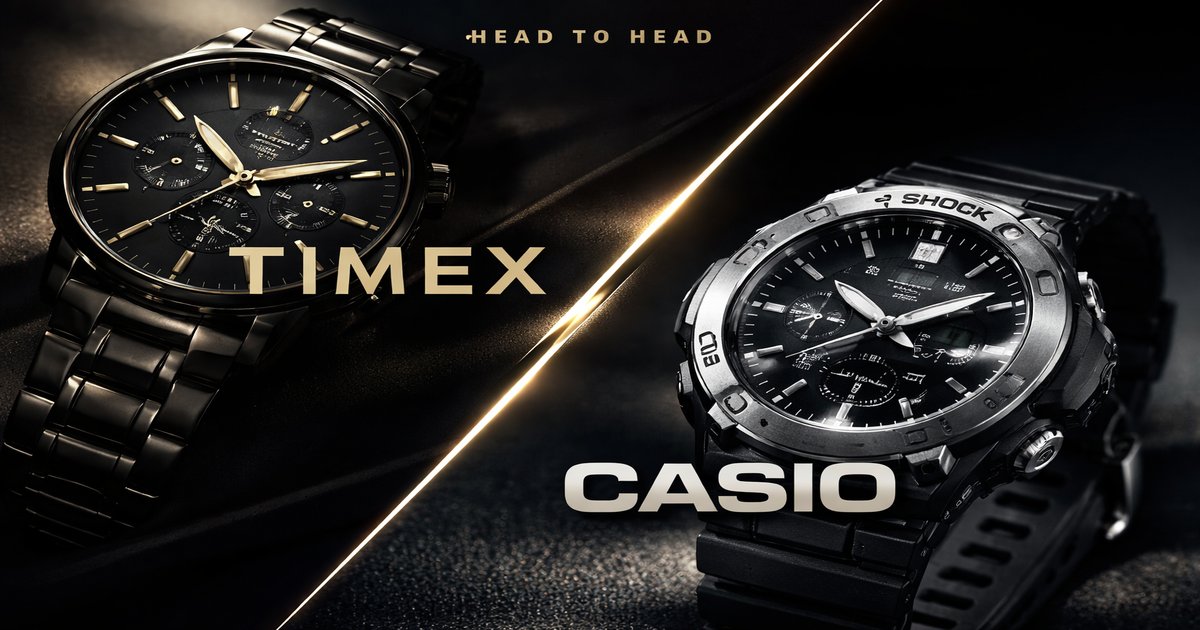
You’re on the hunt for a reliable watch that can keep up with your active lifestyle, but you’re stuck between two powerhouse brands: Timex and Casio. Whether you’re tracking laps at the pool or navigating through a busy workday, each brand promises unique features that cater to different needs. Let’s dive into what sets them apart and which might be the perfect fit for you.
| Feature | Timex | Casio |
|---|---|---|
| Water Resistance | 100m | 200m |
| Battery Life | 2 years | 10 years |
| Illumination | Indiglo | LED Light |
| Stopwatch | ✓ | ✓ |
| Build Material | Resin/Metal | Resin/Stainless Steel |
| Price Range | $30-$150 | $20-$200 |
✅ Timex Pros
- Affordable entry-level options.
- Indiglo backlight provides excellent visibility.
- Classic designs that fit well with formal and casual attire.
❌ Timex Cons
- Shorter battery life compared to Casio.
- Limited water resistance for extreme water sports.
✅ Casio Pros
- Superior water resistance, ideal for diving.
- Long-lasting battery life.
- Rugged, durable design for outdoor activities.
❌ Casio Cons
- Some models can be bulky on smaller wrists.
- Higher-end models can get pricey.
Performance in Water and Outdoors
Timex watches are generally water-resistant up to 100 meters, which is sufficient for swimming and snorkeling. However, if you’re into diving or you’re rough on your gear, Casio’s 200-meter water resistance is a game-changer. Casio also tends to be more robust, thanks to its G-Shock line, which can withstand serious knocks and tumbles. If you’re an adventure seeker, Casio is your go-to for durability.
Build Quality and Design
When it comes to build quality, Casio has a slight edge, especially with its stainless steel and resin combinations that offer both resilience and comfort. Timex, on the other hand, is known for its classic and versatile designs, making it a great choice for those who like to switch between business and casual settings. Their metal watches can add a touch of elegance while remaining functional.
Value for Money
Timex offers excellent value, especially in the lower price brackets. They provide reliable performance with a touch of style. Casio’s price range is broader, and while you may pay more, you often get advanced features like solar power and atomic timekeeping in their higher-end models. If longevity and advanced features are your priorities, Casio could justify the extra cost.
Both Timex and Casio have got their share of quirks. Timex’s shorter battery life might annoy you if you hate frequent changes, and its lower water resistance could limit your aquatic adventures. Casio’s bulkiness might be cumbersome for everyday wear, especially if you prefer a sleek profile.
Our Final Verdict: Which One Should You Buy?
If you’re a casual user who values style and budget-friendly options, Timex is your best bet. Its classic designs and Indiglo feature make it a solid choice for everyday wear. However, if you need a watch that can handle outdoor adventures, withstand the elements, and offer advanced features, go with Casio. It’s the ultimate pick for the rugged explorer or sports enthusiast.
Is the Casio G-Shock too bulky for daily wear?
While some G-Shock models can be bulky, they offer unmatched durability. If you prefer a slimmer profile, Casio offers other lines like the Edifice that balance style and function.
How often do I need to change the battery for a Timex watch?
Timex watches typically require a battery change every 2 years, depending on usage. If this is a concern, consider models with longer battery life or solar options.
Are Timex watches suitable for professional settings?
Absolutely, Timex offers a range of elegant designs that fit well in professional environments, making them versatile for both work and play.



Comments