
 By
By 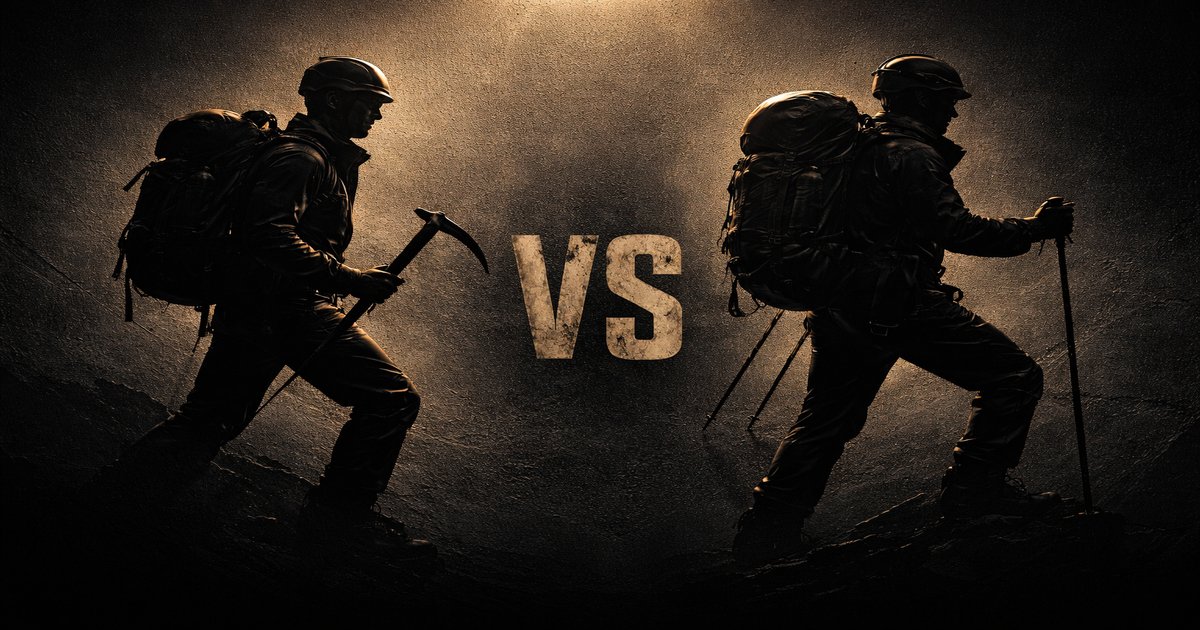
You’re gearing up for your next big adventure, but the debate rages on: do you invest in an alpinist setup or go full mountaineer? Both have their merits, but choosing the wrong gear could mean the difference between conquering that peak or turning back in frustration.
| Specification | Alpinist | Mountaineer |
|---|---|---|
| Weight | 2.5 kg | 3.8 kg |
| Insulation | Medium | High |
| Durability | ✓ | ✓ |
| Packability | High | Medium |
| Water Resistance | Moderate | High |
| Price | $500 | $700 |
✅ alpinist Pros
- Lightweight design is perfect for fast ascents.
- Highly packable, saving space in your backpack.
- More affordable, making it accessible for budget-conscious adventurers.
❌ alpinist Cons
- Less insulation, which might not suffice in extreme cold.
- Moderate water resistance, not ideal for heavy snow conditions.
✅ mountaineer Pros
- Superior insulation for harsh weather conditions.
- High water resistance ensures you stay dry.
- Durable construction can handle rough terrains.
❌ mountaineer Cons
- Heavier, which can slow you down on long treks.
- Less packable, taking up more backpack space.
Performance in Harsh Conditions
When the weather turns nasty, the mountaineer gear shines thanks to its excellent insulation and water resistance. It keeps you warm and dry even in relentless snowstorms, making it the ideal choice for those who plan to tackle high-altitude, exposed routes. On the other hand, alpinist gear, with its moderate water resistance and medium insulation, is better suited for less extreme conditions or fast-and-light ascents where speed is your ally.
Build Quality and Durability
Both the alpinist and mountaineer setups come with commendable durability, but they cater to different types of wear and tear. The alpinist’s lightweight construction means it’s more susceptible to damage from rough handling or abrasive surfaces, while the mountaineer’s robust build can withstand more punishment. If you’re rough with your gear or expect it to endure a lot of stress, the mountaineer setup is the way to go.
Value for Money
The alpinist gear wins the value game if you’re on a tight budget and plan your adventures in moderate climates. It gives you the essentials without breaking the bank. However, if you’re frequently exploring harsh environments, the extra cost of the mountaineer setup is justified by its superior protection and durability. Spending a bit more upfront here can save you from costly replacements down the line.
Alpinist gear can leave you shivering if the temperature drops unexpectedly—it’s not the best for unpredictable weather. Mountaineer gear, while robust, can be overkill for simpler climbs, adding unnecessary weight and bulk. Many overlook these factors and end up regretting their choice mid-ascent.
Our Final Verdict: Which One Should You Buy?
If you’re a speed demon who loves quick ascents, and you’re working within a budget, the alpinist gear is your best bet. It’s lightweight, affordable, and perfect for moderate weather. For those who prioritize safety and plan to challenge the most extreme conditions, go for the mountaineer setup. It’s built to last and will keep you warm and dry no matter what mother nature throws your way.
Can I use alpinist gear in extreme cold?
Not recommended. Alpinist gear lacks the insulation needed for severe cold, making it risky for such conditions.
Is the mountaineer gear too bulky for casual climbs?
Yes, it can be. The extra weight and bulk of mountaineer gear might feel cumbersome on less demanding climbs.
How long can I expect these setups to last?
Both are durable, but the mountaineer setup generally lasts longer in harsh conditions due to its robust build.














Comments