
 By
By 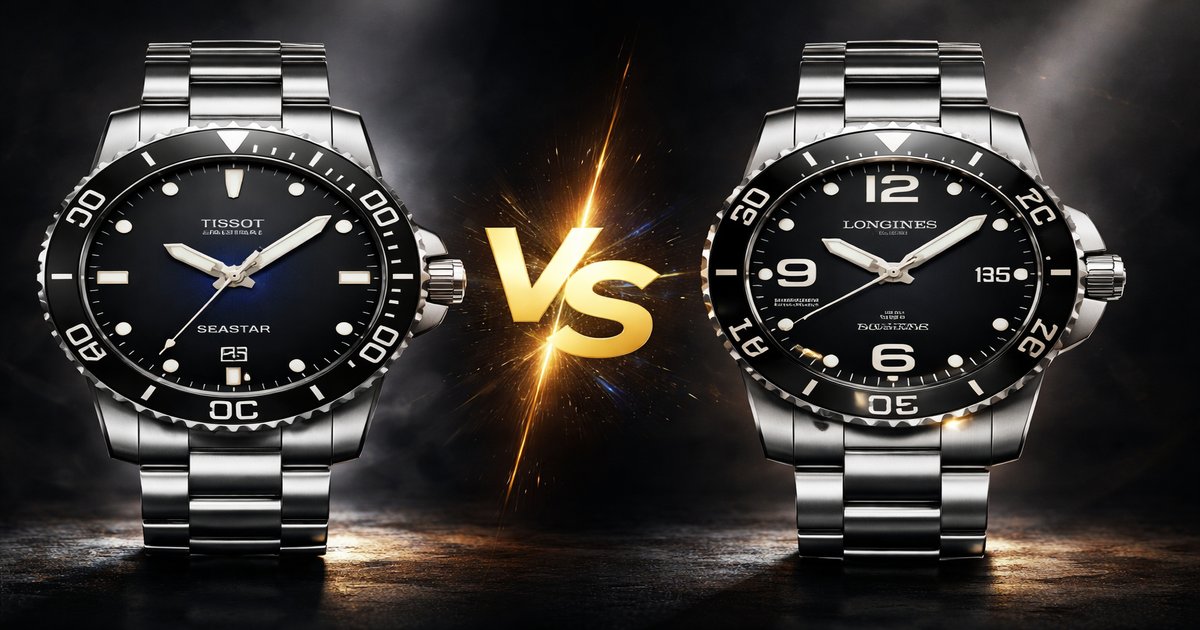
You’re ready to dive into the world of dive watches, but you’re torn between the Tissot Seastar and the Longines HydroConquest. Both offer Swiss craftsmanship and water resistance, but which one deserves a spot on your wrist for adventures above and below sea level?
| Feature | Tissot Seastar | Longines HydroConquest |
|---|---|---|
| Movement | Automatic ETA Powermatic 80 | Automatic L888 |
| Water Resistance | 300 meters | 300 meters |
| Case Diameter | 43mm | 41mm |
| Power Reserve | 80 hours | 64 hours |
| Material | Stainless Steel | Stainless Steel |
| Price | $750 | $1,200 |
| Helium Escape Valve | ✗ | ✓ |
✅ tissot seastar Pros
- Exceptional power reserve of 80 hours.
- More affordable price point.
- Available in a variety of colors and styles.
❌ tissot seastar Cons
- No helium escape valve for saturation diving.
- Larger case size may not suit smaller wrists.
✅ longines hydroconquest Pros
- Helium escape valve for professional divers.
- Classic, refined design suitable for any occasion.
- Reputable brand with a strong heritage in watchmaking.
❌ longines hydroconquest Cons
- Higher price tag may not suit all budgets.
- Lower power reserve compared to Tissot Seastar.
Performance in Aquatic Adventures
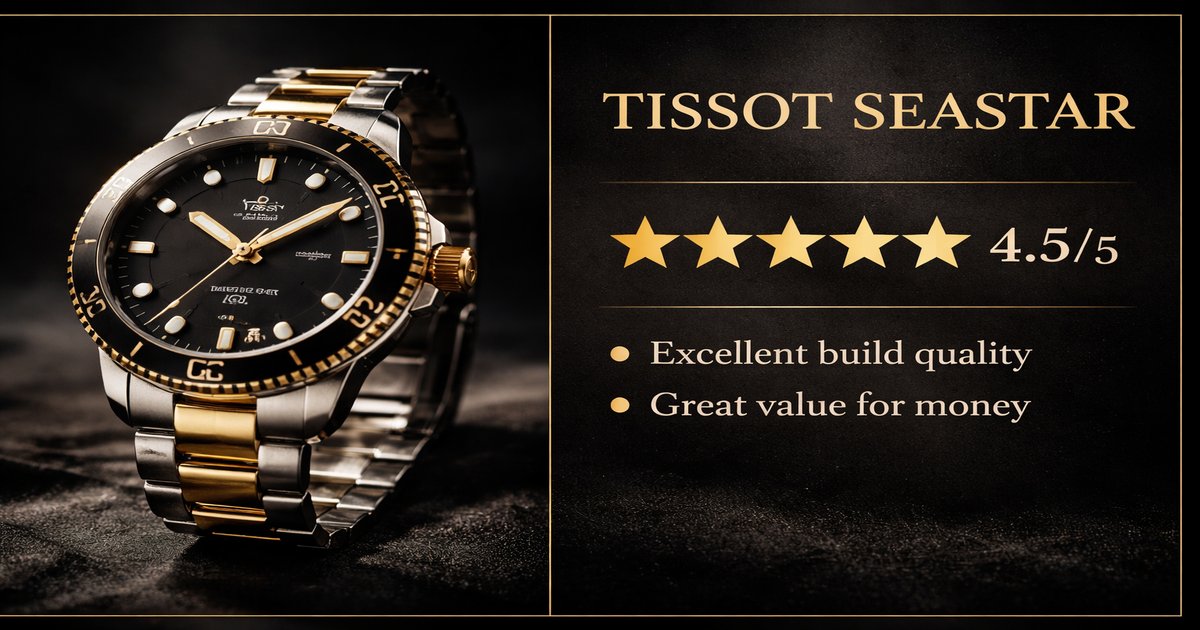
The Tissot Seastar boasts a robust 300-meter water resistance, making it a reliable companion for snorkeling and recreational diving. However, if you’re venturing into deeper waters or planning saturation diving, the Longines HydroConquest’s helium escape valve is a game-changer. It ensures the watch can handle the pressure changes without compromising its integrity, a feature absent in the Seastar. For most casual divers, the Seastar is adequate, but hardcore enthusiasts will appreciate the HydroConquest’s additional diving-focused feature.
Build Quality and Design
Both watches feature sturdy stainless steel cases, but the Seastar’s 43mm size can be a bit overpowering for smaller wrists. It’s a bold statement piece with its vibrant dials and modern aesthetics. The HydroConquest, on the other hand, opts for a more traditional design with a 41mm case, making it more versatile for day-to-day wear. Longines has mastered the art of subtle elegance, ensuring that the watch transitions seamlessly from underwater exploration to a formal dinner setting.
Value for Money
The Tissot Seastar offers tremendous value with its affordable pricing and superior 80-hour power reserve. It’s the go-to option if you’re looking to maximize your budget without sacrificing too much on performance. The Longines HydroConquest, though pricier, offers a touch of luxury and additional features like the helium escape valve, which could justify the extra dollars if you’re after that classic diver watch prestige. Think of the Seastar as a budget-friendly diving buddy and the HydroConquest as an investment piece.
Watch enthusiasts often overlook the Seastar’s lack of a helium escape valve, which might limit its appeal for serious divers. On the flip side, the HydroConquest’s higher price doesn’t necessarily equate to a massive performance uplift unless you’re utilizing its niche features. Both are great watches, but aligning your choice with your specific needs is crucial.
Our Final Verdict: Which One Should You Buy?
If you’re a casual diver or someone who wants an eye-catching watch without breaking the bank, the Tissot Seastar is your best bet. It’s perfect for the budget-conscious adventurer who values extended power reserve and modern aesthetics. Meanwhile, the Longines HydroConquest is ideal for those who appreciate classic elegance and need a watch that can transition seamlessly from deep-sea exploration to a formal setting — all while enjoying the prestige that comes with the Longines name. It’s for the discerning buyer who values tradition and additional diving features.
Is the Tissot Seastar suitable for daily wear?
Yes, its robust design and stylish looks make it suitable for daily wear, although its larger size might not suit everyone.
Can the Longines HydroConquest handle professional diving?
Yes, with its 300-meter water resistance and helium escape valve, it’s built for professional diving conditions.
Do these watches require regular servicing?
Like all automatic watches, regular servicing every 3-5 years is recommended to maintain optimal performance.



Comments