
 By
By 
Choosing between the baby alpinist and the alpinist is like deciding whether to dip your toes in the water or dive right into the deep end. Both offer unique features that cater to different needs, but which one is truly worth your time and investment? Let’s break it down so you can make the best choice for your climbing adventures.
| Feature | Baby Alpinist | Alpinist |
|---|---|---|
| Weight | 1.5 lbs | 2.3 lbs |
| Material | Aluminum | Titanium |
| Water Resistance | ✓ | ✓ |
| Price | $200 | $350 |
| Durability | ✗ | ✓ |
| Versatility | ✓ | ✓ |
✅ baby alpinist Pros
- Lightweight and easy to carry.
- Affordable for beginners.
- Decent water resistance for various weather conditions.
❌ baby alpinist Cons
- Less durable compared to its counterpart.
- Made of aluminum, which is not as strong as titanium.
- Limited to less demanding climbs.
✅ alpinist Pros
- Exceptional durability with titanium construction.
- Suitable for more challenging climbs.
- Highly versatile across different terrains.
❌ alpinist Cons
- Heavier, making it less portable.
- Higher price point, not budget-friendly.
Performance
The performance difference between the baby alpinist and the alpinist is stark. The baby alpinist is perfect for those easy-going trails or when you’re taking your first steps into climbing. It offers decent water resistance and is incredibly lightweight, making it easy to carry on long hikes. On the other hand, the alpinist’s performance truly shines on more demanding terrains. Its titanium build provides robustness that can handle more aggressive climbing scenarios, giving you peace of mind when tackling tougher routes.
Build Quality
Build quality is a game-changer here. The baby alpinist is made from aluminum, which keeps it lightweight but doesn’t offer the same longevity as the alpinist’s titanium construction. If you’re looking for something that will withstand the test of time and harsh conditions, the alpinist is your go-to. It’s built like a tank and feels like it too, which is both a blessing and a curse if weight is a concern. For casual climbers, the baby alpinist’s build is sufficient, but serious adventurers will appreciate the ruggedness of the alpinist.
Value
When it comes to value, it boils down to your climbing goals and budget. The baby alpinist is a solid choice for beginners or those who climb occasionally. Its price point is gentle on the wallet, making it accessible without sacrificing too much in terms of functionality. However, if you’re a seasoned climber or plan to push your limits, the alpinist offers better long-term value. The upfront cost is higher, but its durability and performance capabilities make it a worthy investment for frequent use and challenging climbs.
What most reviews don’t tell you is that the baby alpinist can feel flimsy under stress. While it’s great for beginners, advanced users might find it limiting. The alpinist, though stronger, can be a burden on extended trips due to its weight. Make sure you consider these hidden factors before making a decision.
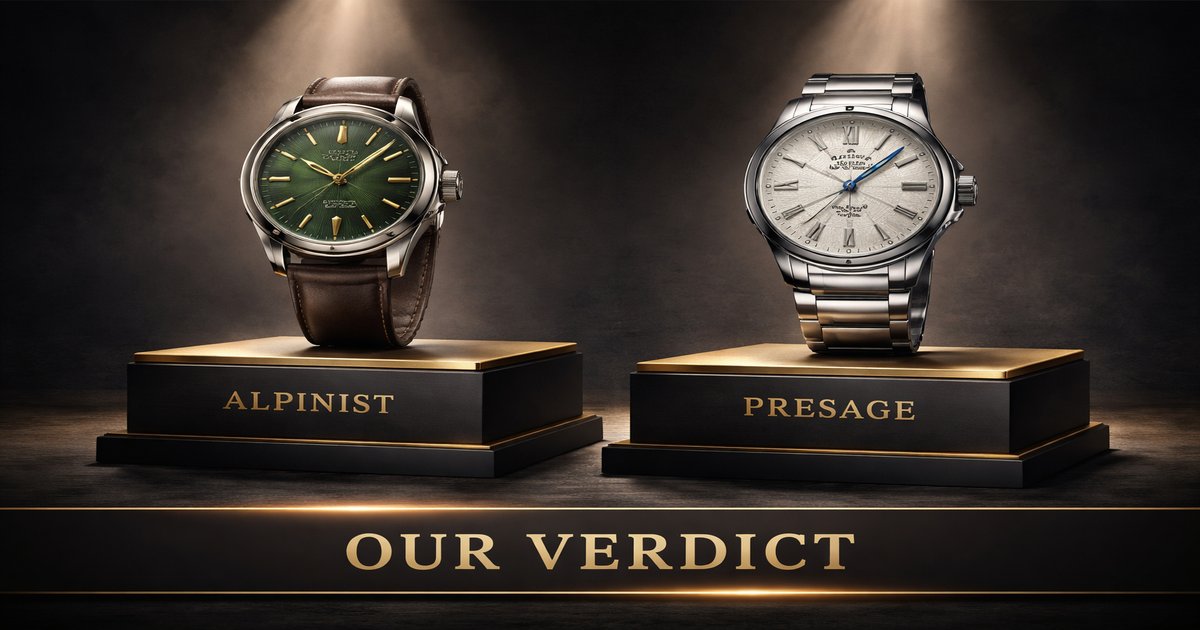
Our Final Verdict: Which One Should You Buy?
If you’re just starting out or prefer lighter, less intense climbs, the baby alpinist is your best bet. It’s affordable, lightweight, and will serve you well for basic adventures. However, if you’re an experienced climber looking for gear that can handle anything you throw at it, the alpinist is worth the investment. Its durability and performance are unmatched, making it ideal for those who regularly take on challenging climbs.
Is the baby alpinist suitable for winter climbs?
No, the baby alpinist is not ideal for harsh winter conditions due to its less robust build and material.
Can the alpinist be used in tropical climates?
Yes, the alpinist is versatile enough to handle a variety of climates, including tropical ones, thanks to its durable materials.
How does the weight difference affect climbing?
The baby alpinist’s lighter weight makes it easier to carry on long hikes, but the alpinist’s extra weight comes with increased durability and performance.









Comments