
 By
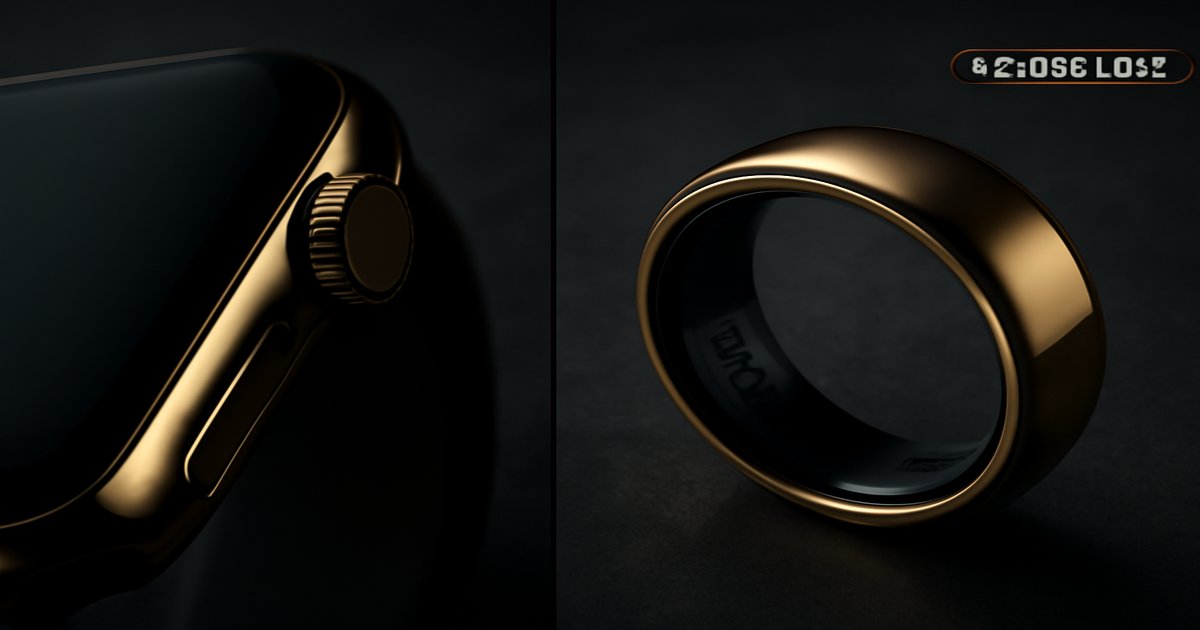
You’re getting serious about tracking your health metrics, but you don’t want to get bogged down by clunky devices. Maybe you’re torn between the tech-savvy Apple Watch and the subtle Oura Ring. Each has its merits, but which one really fits your lifestyle and goals?
| Feature | Apple Watch | Oura Ring |
|---|---|---|
| Heart Rate Monitoring | ✓ | ✓ |
| Sleep Tracking | ✓ | ✓ |
| Battery Life | 18 hours | 7 days |
| Water Resistance | 50 meters | 100 meters |
| Price Range | $399 – $749 | $299 – $399 |
| Third-Party App Integration | ✓ | ✗ |
✅ apple watch Pros
- Robust app ecosystem with extensive third-party support.
- Versatile functionality beyond fitness, including notifications and calls.
- High-quality display with customizable watch faces.
❌ apple watch Cons
- Short battery life requires daily charging.
- Bulky on the wrist during workouts or sleep.
✅ oura ring Pros
- Discreet and stylish, easily worn all day.
- Exceptional battery life lasting up to a week.
- Highly accurate sleep and readiness tracking.
❌ oura ring Cons
- Lacks interactive display for real-time data.
- No direct third-party app integration.
Performance: More Than Just Step Counting
The Apple Watch excels in offering a comprehensive suite of fitness and health tracking features thanks to its robust sensors and extensive app ecosystem. It’s perfect if you need real-time data, whether you’re running a marathon or just counting your steps. The Oura Ring, on the other hand, shines when it comes to its focused approach on health metrics like sleep and recovery. If your primary concern is understanding your body’s readiness and sleep quality, the Oura Ring’s detailed insights are hard to beat.
Build Quality and Design: Form Meets Function
The Apple Watch is a mini-computer strapped to your wrist, with a design that screams modernity and functionality. However, its bulk can be a hindrance during high-intensity workouts or while sleeping. The Oura Ring is the polar opposite—sleek, minimalist, and incredibly lightweight. You’ll forget you’re wearing it, which makes it ideal for 24/7 use. Choose the Oura Ring if you prefer subtlety and style over a gadget-heavy presence.
Value: What Do You Get for Your Money?
Apple Watch’s price reflects its multifaceted capabilities—everything from fitness tracking to voice calls. It’s an all-in-one device for tech enthusiasts who want the latest and greatest on their wrist. The Oura Ring, though more niche, offers significant value for those focused on wellness metrics. Its lower price and longer battery life make it appealing if you prioritize sleep and recovery data over additional bells and whistles.
The Apple Watch is a powerhouse but can feel overwhelming if you’re only after basic health metrics. Its daily charging routine can also get old fast. The Oura Ring is excellent for health-specific insights but lacks the real-time data interaction some might expect. It’s also worth considering that Oura’s sizing isn’t adjustable, so make sure you get the right fit.
Our Final Verdict: Which One Should You Buy?
If you’re a tech-savvy individual who thrives on connectivity and wants an all-encompassing smartwatch, go for the Apple Watch. It’s perfect for those who love to stay connected and track a broad range of activities. However, if you’re more focused on wellness, sleep, and prefer a subtle accessory, the Oura Ring is your best bet. It’s ideal for health-conscious users who appreciate minimalist design and detailed recovery insights.
How does the fit of the Oura Ring compare to traditional rings?
The Oura Ring fits like a standard ring but is slightly bulkier due to its sensors. It’s essential to use their sizing kit to ensure a comfortable fit.
Is the Apple Watch compatible with Android phones?
No, the Apple Watch requires an iPhone for initial setup and most of its features. Android users should consider alternatives compatible with their devices.
How durable is the Oura Ring for everyday wear?
The Oura Ring is highly durable, made from titanium, and water-resistant up to 100 meters, making it suitable for daily activities and workouts.













Comments