
 By
By 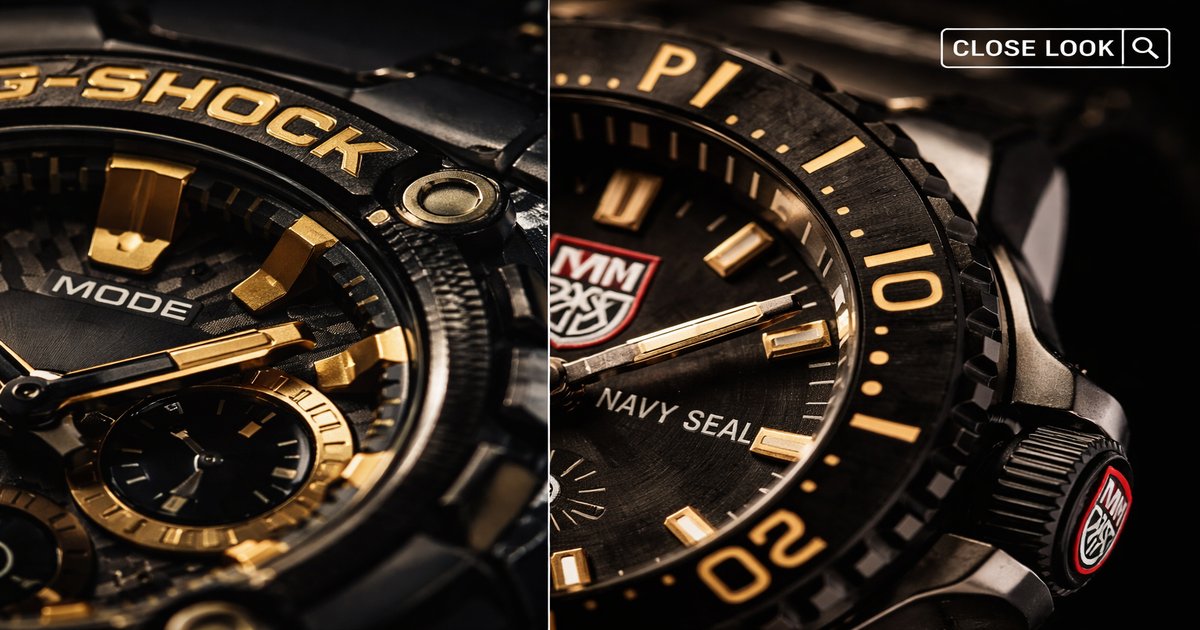
When you’re heading out for an adventure, the last thing you want to worry about is whether your watch can handle the heat. Whether you’re diving deep or scaling a mountain, the G-Shock and Luminox Navy Seal watches are both contenders for the rugged lifestyle. But which one truly stands up to the test when you’re in the thick of it?
| Feature | G-Shock | Luminox Navy Seal |
|---|---|---|
| Water Resistance | 200 meters | 200 meters |
| Weight | 70g | 72g |
| Battery Life | 2 years | 5 years |
| Illumination | ✓ (LED) | ✓ (Tritium) |
| Shock Resistance | ✓ | ✗ |
| Solar Power | ✓ | ✗ |
✅ g shock Pros
- Superior shock resistance.
- Solar-powered for extended use.
- Robust and durable design.
❌ g shock Cons
- Bulky on smaller wrists.
- Digital interface not for everyone.
✅ luminox navy seal Pros
- Long-lasting Tritium illumination.
- Lightweight and comfortable for daily wear.
- Classic, military aesthetic.
❌ luminox navy seal Cons
- Higher maintenance due to battery changes.
- Lacks shock resistance.
Performance Under Pressure
When it comes to durability under pressure, the G-Shock takes the lead. It’s like a tank on your wrist, built to endure the roughest conditions. Whether you’re free climbing or engaging in some hardcore CrossFit, the G-Shock’s shock resistance is unbeatable. The Luminox Navy Seal, while tough, doesn’t feature the same level of shock protection, so if you’re prone to knocking your watch around, the G-Shock is your safer bet.
Build Quality and Design
The Luminox Navy Seal watch boasts a design that’s both tactical and stylish, with its rugged military aesthetic appealing to those who want their gear to look as sharp as it performs. It’s lighter than the G-Shock, making it more comfortable for all-day wear. On the other hand, the G-Shock’s bulky design might not be for everyone, but it screams durability and resilience. If your adventures demand a watch that can take a hit, G-Shock’s build quality is unrivaled.
Value for Money
G-Shock watches offer excellent value for those who need a high-performing, all-weather companion. The solar power feature means you won’t be replacing the battery anytime soon, saving you time and hassle. However, if you prioritize style and long-lasting illumination, the Luminox Navy Seal offers a compelling package with its Tritium lights that glow for up to 25 years. Its traditional battery life is longer than the G-Shock’s, though you will have to replace it eventually.
Both watches are marketed as indestructible, but don’t let that fool you. The G-Shock’s bulk can be uncomfortable for smaller wrists, and while the Luminox Navy Seal promises long-term illumination, the Tritium tubes can dim over time with exposure to the elements. Consider where you’ll be using these watches most before deciding.
Our Final Verdict: Which One Should You Buy?
If you’re the adventure-seeking, gear-testing type who values durability over everything else, get the G-Shock. It’s perfect for those who spend more time outdoors and need a watch that won’t quit. For those who appreciate a more refined look without sacrificing functionality, the Luminox Navy Seal is your perfect match. Its classic military style and long-lasting glow make it ideal for everyday use and tactical missions.
How does the fit compare for smaller wrists?
The G-Shock tends to be bulkier and may feel cumbersome on smaller wrists, while the Luminox Navy Seal offers a more comfortable fit due to its lighter weight and less bulky design.
Are replacement parts or repairs easier for either watch?
Both brands offer extensive support for parts and repairs, but G-Shock’s widespread popularity might make it easier to find parts and services compared to the more niche Luminox brand.
Which watch has better longevity?
Both watches are built to last, but the G-Shock’s solar power capability gives it an edge in longevity, reducing the need for frequent battery changes that the Luminox requires.

Comments