
 By
By 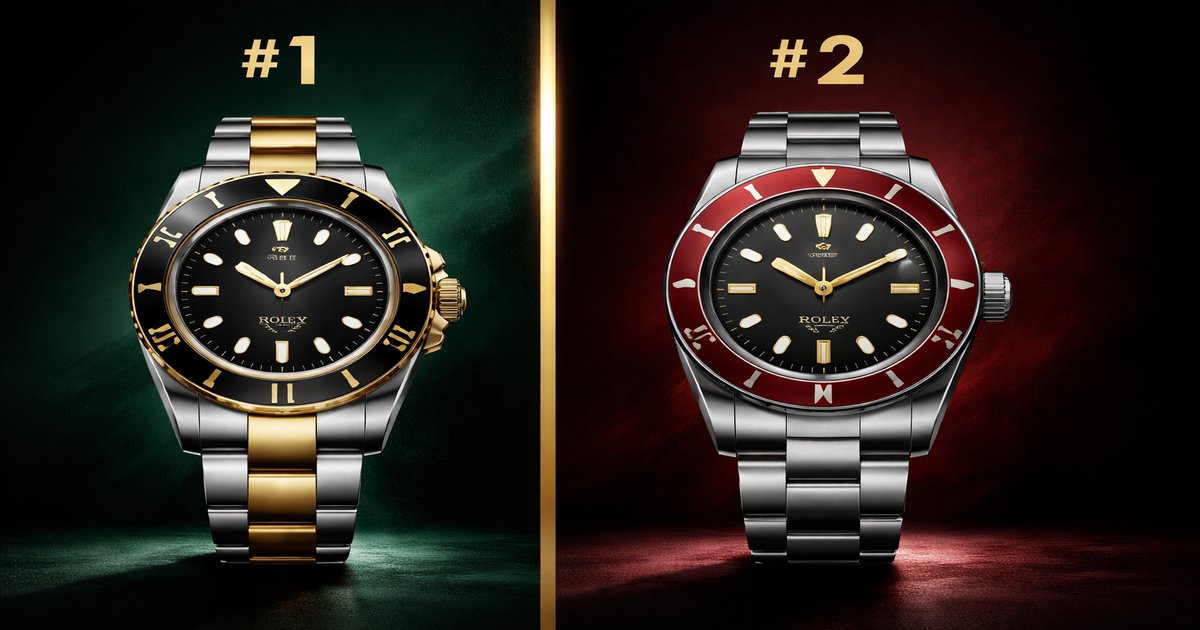
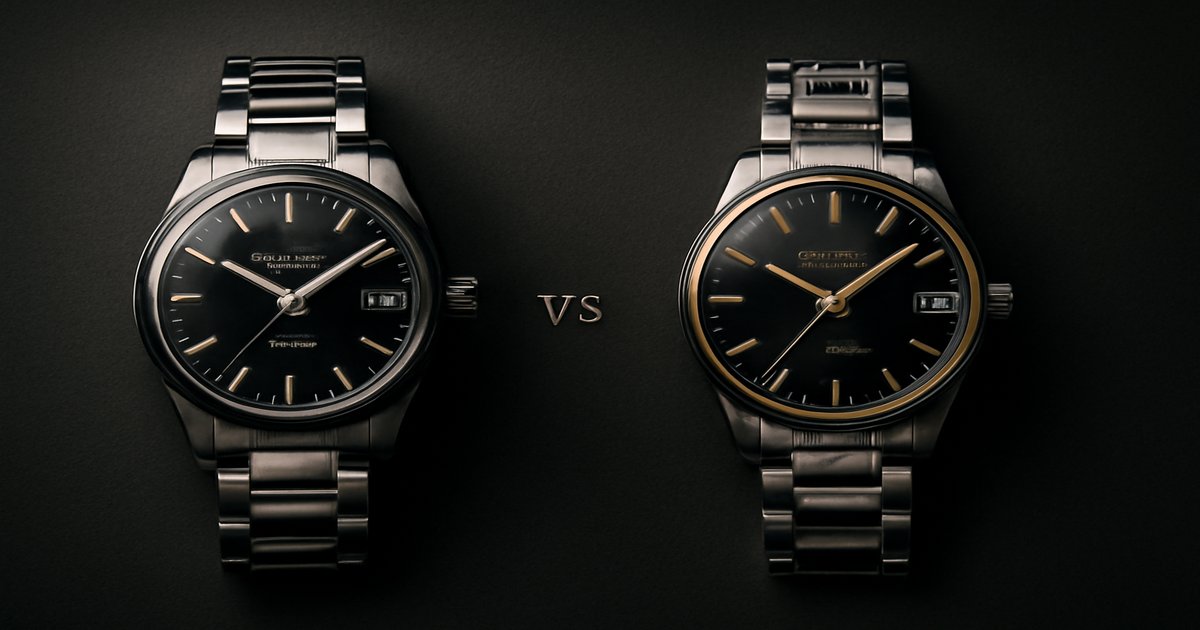
You’re at a crossroads that many watch enthusiasts face: choosing between a Rolex and a Tudor. Both brands carry hefty reputations in the horology world, but which aligns better with your lifestyle and taste? Let’s break down the essentials so you can make an informed decision.
| Specification | Rolex | Tudor |
|---|---|---|
| Brand Prestige | High | Moderate |
| In-house Movements | ✓ | ✓ |
| Entry Price Range | $5,000 – $10,000 | $2,000 – $5,000 |
| Water Resistance | Up to 300m | Up to 200m |
| Warranty | 5 years | 5 years |
| Resale Value | Very High | Moderate |
✅ rolex Pros
- Exceptional brand prestige and recognition.
- Superior resale value, often appreciating over time.
- Advanced engineering with COSC-certified movements.
❌ rolex Cons
- Significantly higher price point.
- Limited availability, often requiring waitlists.
- Risk of theft due to high brand recognition.
✅ tudor Pros
- Offers excellent value for money.
- Strong build quality with a robust design.
- Shares heritage and some technology with Rolex.
❌ tudor Cons
- Less brand prestige and recognition compared to Rolex.
- Lower resale value.
Performance and Movement
Rolex shines with its COSC-certified in-house movements, known for precision and reliability. If you’re looking for a timepiece that not only tells time but does so with remarkable accuracy, Rolex is the gold standard. Tudor, while also using in-house movements, doesn’t quite reach the same level of prestige but still offers solid performance thanks to its MT calibers. For everyday wear, Tudor’s performance will more than suffice, but if you’re a stickler for exacting standards, Rolex edges ahead.
Build Quality and Materials
Rolex uses premium materials like 904L stainless steel, which offers superior corrosion resistance and a distinctive luster. The craftsmanship is second to none, with meticulous attention to detail. Tudor, on the other hand, isn’t far behind. It uses 316L stainless steel, which is still highly durable and more than adequate for most situations. If you’re someone who values top-tier materials and is willing to pay for it, Rolex is your watch. But Tudor provides a rugged, reliable build that won’t disappoint.
Value Proposition
Rolex is often seen as an investment piece, with some models appreciating over time. This makes it more than just a watch—it’s an asset. However, the entry price can be prohibitive. Tudor, conversely, provides a high-quality watch at a fraction of the cost, making it an excellent choice for those who want luxury without breaking the bank. It might not yield the same financial returns, but it offers substantial savings upfront while still delivering quality and style.
Rolex has an undeniable allure, but that also makes it a target for theft. Wearing one can sometimes feel like wearing a price tag on your wrist. Tudor, while less prestigious, offers peace of mind with its more understated appeal. Both brands promise durability, but you’ll find Tudor more approachable for everyday wear, especially if you’re prone to knocks and scrapes.
Our Final Verdict: Which One Should You Buy?
If you’re someone who values prestige, precision, and potentially appreciates value, and you have the budget, Rolex should be your choice. It’s perfect for collectors and those who want a status symbol. On the other hand, if you’re a pragmatic buyer looking for robust quality, style, and better initial affordability without compromising too much on luxury, Tudor is your watch. It’s a win for those who appreciate quality craftsmanship with a bit more discretion.
How do I ensure a Rolex fits my wrist well?
Rolex watches come with adjustable clasps, but for a perfect fit, consider visiting an authorized dealer for professional resizing.
Is Tudor compatible with third-party straps?
Yes, most Tudor models can be fitted with third-party straps, but ensure you choose the correct lug width for compatibility.
How does the longevity of Tudor compare to Rolex?
Both brands are built to last, with proper maintenance. Rolex may last longer due to its premium materials, but Tudor offers robust durability at a lower cost.




Comments