
 By
By 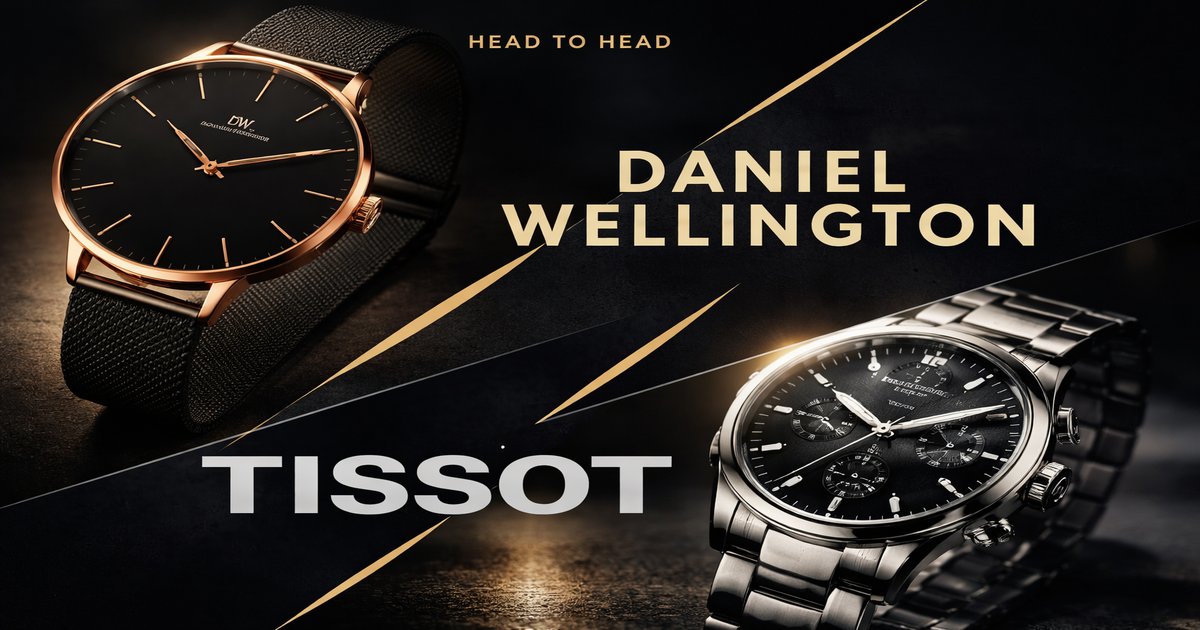
So, you’re in the market for a watch that speaks to both style and functionality. You’ve heard of Daniel Wellington and Tissot, but which one deserves a spot on your wrist? Let’s break down these two brands to see which aligns with your lifestyle and taste.
| Spec | Daniel Wellington | Tissot |
|---|---|---|
| Price Range | $150 – $300 | $300 – $1,500 |
| Movement Type | Quartz | Automatic/Quartz |
| Water Resistance | 3 ATM | 10 ATM |
| Material | Stainless Steel/Leather | Stainless Steel/Titanium |
| Sapphire Crystal | ✗ | ✓ |
| Swiss Made | ✗ | ✓ |
✅ daniel wellington Pros
- Affordable price range for stylish designs.
- Lightweight and comfortable for everyday wear.
- Interchangeable straps for versatile looks.
❌ daniel wellington Cons
- Lacks advanced features and durability.
- Limited water resistance.
- No sapphire crystal protection.
✅ tissot Pros
- High-quality materials and Swiss craftsmanship.
- Wide range of movements including automatic.
- Strong water resistance and sapphire crystal.
❌ tissot Cons
- Higher price point can be a barrier.
- Heavier and bulkier designs might not suit everyone.
Performance and Functionality
Daniel Wellington watches are all about simplicity and style rather than technical prowess. They’re perfect if you’re looking for a timepiece that complements your outfit without breaking the bank. Tissot, on the other hand, offers watches that are built for performance. If you lead an active lifestyle or appreciate the craftsmanship of a Swiss-made automatic movement, Tissot’s higher functionality and durability make it a smart choice.
Build Quality and Materials
If you’re after a watch that can take a few hits, Tissot is your go-to. With stainless steel and titanium options, plus sapphire crystal, these watches can handle daily wear and tear far better than Daniel Wellington offerings. Wellington watches lean more into style with leather and basic stainless steel, which look great but don’t offer the same level of protection or longevity.
Value for Money
For those on a budget, Daniel Wellington delivers style at a reasonable price, but you’re trading off features and durability. Tissot, while pricier, provides excellent value for someone willing to invest in a quality timepiece that offers longevity and versatility with its robust materials and Swiss heritage. It’s the classic case of getting what you pay for: affordability versus enduring quality.
Daniel Wellington watches can be a pain if you’re around water often; they’re not made for wet environments. Tissot watches, though high-quality, can weigh you down if you’re not used to heavier wristwear. Also, Tissot’s automatic movements may require more maintenance and adjustment compared to quartz.
Our Final Verdict: Which One Should You Buy?
If you’re a style-conscious buyer on a budget who wants a chic, everyday watch, Daniel Wellington is the one for you. Ideal for fashion-forward individuals who don’t need extra features. However, if you’re looking for a timepiece that offers more in terms of durability, functionality, and Swiss quality, Tissot is worth every penny. Perfect for watch enthusiasts and those who value long-term investment in their accessories.
Is Daniel Wellington suitable for swimming?
No, Daniel Wellington watches are only water-resistant up to 3 ATM, which means they’re not suitable for swimming or showering.
Are Tissot watches compatible with smart features?
Some Tissot models, like the T-Touch line, include smart features, but traditional models do not have smartwatch capabilities.
How long will a Tissot watch last?
With proper care, a Tissot watch can last decades, thanks to its robust build and high-quality materials.



Comments