
 By
By 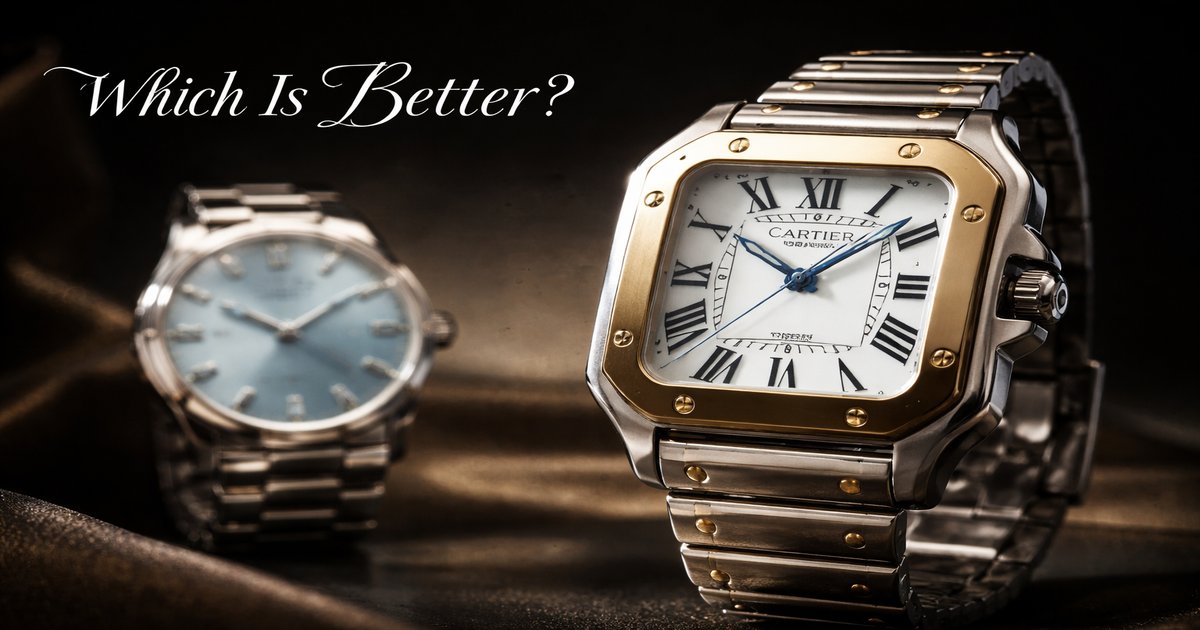
You’re in the market for a luxury timepiece and your choices have boiled down to two iconic names: Cartier and Tiffany. Both have storied histories and a reputation for elegance, but which one truly deserves your wrist? Let’s cut through the glamour and see what each brand offers.
| Feature | Cartier | Tiffany |
|---|---|---|
| Heritage | Founded in 1847 | Founded in 1837 |
| Signature Timepieces | Santos, Tank | CT60, East West |
| Price Range | $2,500 – $500,000+ | $2,000 – $100,000+ |
| Material Variety | Gold, Platinum, Stainless Steel | Gold, Stainless Steel |
| In-house Movement | ✓ | ✗ |
| Customization Options | Limited | Extensive |
✅ cartier Pros
- Rich heritage adds value and prestige.
- Innovative in-house movements enhance accuracy.
- Offers a wide range of materials including platinum.
❌ cartier Cons
- Higher price range might not be accessible for everyone.
- Limited customization options for personal flair.
- Classic designs may not appeal to those seeking modern aesthetics.
✅ tiffany Pros
- More accessible price range for luxury watches.
- Extensive customization options for personalization.
- Timeless design with a modern twist in some models.
❌ tiffany Cons
- Does not offer in-house movements, relying on third-party mechanisms.
- Fewer high-end materials like platinum available.
Performance and Craftsmanship
Cartier stands out with its in-house movements, which contribute to its watches’ precision and performance. If you value intricate craftsmanship and timepiece engineering, Cartier’s offerings like the Santos or Tank models deliver. Tiffany, on the other hand, uses third-party mechanisms, which might not satisfy the purist but do ensure reliability and cost-effectiveness. If you’re more intrigued by a watch’s look and feel than its mechanical pedigree, Tiffany’s designs won’t disappoint.
Design and Aesthetics
Cartier’s designs are rooted in classic elegance, making them ideal for traditionalists who appreciate timeless style. Their pieces often become heirlooms, passed down through generations. Tiffany brings a contemporary edge, with pieces like the CT60 that blend classic motifs with modern sensibilities. If you want a watch that feels both luxurious and current, Tiffany’s modern designs might be your pick.
Value for Money
Cartier’s higher price point is justified by their craftsmanship and the prestige associated with owning a Cartier timepiece. If long-term value and investment potential are your priorities, Cartier is hard to argue against. Tiffany offers a more accessible entry into luxury, ideal for those who want a taste of elegance without breaking the bank. Their customization options also add a personal touch that some buyers might find priceless.
Cartier’s prestige comes with a hefty price tag, which means you might be paying more for the brand name than the watch itself. Tiffany’s reliance on third-party movements might turn off watch enthusiasts who crave in-house craftsmanship. Both brands have their quirks in terms of maintenance costs, so prepare for that when considering longevity.
Our Final Verdict: Which One Should You Buy?
If you’re a purist who values history, craftsmanship, and is willing to invest in a luxury item, Cartier is your go-to. It’s ideal for those who view a watch as an heirloom piece. For the modern luxury seeker who values style and customization at a less intimidating price, Tiffany offers a compelling choice. Choose Tiffany if you want a luxury watch that feels unique to you without diving too deep into your savings.
Is Cartier worth the extra cost?
Yes, if you value in-house craftsmanship and a piece that holds its value over time. Cartier watches are often seen as investment pieces.
Can Tiffany watches be customized?
Yes, Tiffany offers extensive customization options, allowing you to personalize your watch to suit your style.
How do I maintain my Cartier or Tiffany watch?
Both brands recommend regular servicing every 3-5 years. Maintenance costs can be high, so factor this into your long-term ownership plans.













Comments