
 By
By 
In the ever-evolving tapestry of human expression,fashion stands as one of the most vibrant threads interwoven into the fabric of culture. “Threads of Time: Exploring the Depths of Fashion History and Culture Through the Eyes of a Passionate Expert” invites readers on a captivating journey through the epochs of style, revealing how garments have transcended mere functionality to become profound statements of identity, societal norms, and artistic expression. Through the lens of an ardent connoisseur of fashion history, this exploration will delve into the intricate intersections of design, societal shifts, and cultural significance, illuminating how the past continues to influence the present. As we unpick the seams of time, we discover not just what we wear, but the myriad stories woven into each thread, each fabric, and each silhouette. Join us as we uncover the lessons, inspirations, and revelations that lie within fashion’s rich heritage.
Unraveling Style: Key Eras That Shaped Fashion Identity
Each era in fashion represents a tapestry woven from cultural, social, and artistic threads, forming the foundation of collective identity. From the opulent extravagance of the Baroque period to the liberated silhouettes of the 1920s, these distinctive styles reflect the prevailing attitudes of their times. Notable influences include:
- The Renaissance: An era of rebirth in art and culture, marked by elaborate garments rich in color and texture.
- the Victorian Age: characterized by a strict moral code, featuring corsets and layered fabrics that defined femininity.
- The Roaring Twenties: A decade of liberation, showcasing flapper dresses and a break from traditional constraints.
- The 1980s: Bold choices, oversized silhouettes, and a celebration of individuality that embraced all that was loud and colorful.
Fashion is not merely about clothing; it serves as a mirror reflecting societal shifts and changes. The intersection of politics, art, and personal expression creates a captivating narrative filled with innovation and defiance. For example,the introduction of *ready-to-wear* collections in the mid-20th century revolutionized accessibility,democratizing style for the masses. To illustrate this transition visually, consider the evolution of key fashion items through a simple yet telling table:
| Era | Iconic Fashion item | Impact on Identity |
|---|---|---|
| The 1920s | Flapper Dress | Symbol of women’s liberation and modernity |
| The 1950s | Circle Skirt | Celebration of femininity and post-war optimism |
| The 1980s | Power Suit | Emphasis on female empowerment in the workplace |
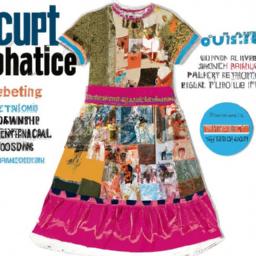
the Cultural Tapestry: How Clothing Reflects Social Change
Throughout history, clothing has served as a notable marker of cultural identity and social evolution. From the flowing robes of ancient civilizations to the sharp lines of modern streetwear, the fabric of our lives is intricately woven with the threads of societal values and changes. Fashion is not merely about aesthetics; it reflects individuality, progress, and collective struggles. Each era leaves its imprint on how we dress,often mirroring broader themes such as gender roles,economic status,and technological advancements. As we delve into the various styles through time, we can identify key influences that shaped our garments:
- The Renaissance: A rebirth of art and culture, characterized by opulent fabrics that celebrated craftsmanship.
- The Industrial Revolution: Mass production introduced practicality and accessibility, changing how the working class dressed.
- The 1960s: A period marked by rebellion,where clothing became a form of protest and self-expression.
- Today: An era of globalization, blending traditional styles with contemporary trends, reflecting a diverse world view.
Understanding these transitions allows us to appreciate not only the aesthetic evolution of clothing but also its role as a mirror to the societal dynamics of various epochs. By analyzing the fabric of different civilizations, we uncover the narratives hidden within our attire.Consider how the adoption of jeans, originally worn by laborers, has transcended class boundaries to become a valued staple worldwide. A simple table illustrating key garments and their social significance can further enhance our understanding:
| garment | Historical Context | Social Reflection |
|---|---|---|
| Kimono | Worn in Japan for centuries | Represents heritage and tradition |
| Toga | Ancient Rome | Symbol of citizenship and status |
| Flapper dress | 1920s America | Embodying women’s liberation and modernity |
| Streetwear | 21st Century | Expressive of youth culture and diversity |

Expert Recommendations: Essential Reads and Resources for Fashion Historians
For those delving into the rich tapestry of fashion history, a curated selection of literature and resources serves as an invaluable compass. Begin with “Fashion: The Definitive Visual Guide”, wich offers a extensive overview of fashion trends across the centuries, while “The Fashion book” presents a dynamic anthology of influential designers and iconic pieces. Other essential texts include “The History of Costume” by Frances Grimble and “Costume and fashion” by James Laver, both of which explore how sociopolitical environments have shaped sartorial choices. Combining these foundational texts with online resources, such as the Fashion Institute of Technology’s archives and the Costume Institute at The Metropolitan Museum of Art, provides a multidimensional approach to understanding the evolution of style.
To further enhance your research, consider engaging with scholarly journals and periodicals dedicated to fashion studies. As a notable example, Fashion Theory and Textiles: The Journal of Cloth and Culture offer peer-reviewed articles that probe deep into theoretical frameworks and cultural significance. In addition, archival websites such as the V&A Museum collections and The Costume Society provide digital access to a plethora of historical garments and artifacts. Make sure to explore the following resources for deeper insights:
- Online Exhibitions: Many museums host virtual tours.
- Fashion documentaries: Documentaries such as “The First Monday in May” offer behind-the-scenes perspectives on fashion events.
- Podcasts: “Dressed: The History of Fashion” discusses past and present fashion topics in an engaging format.
Key Takeaways
As we weave together the threads of time, its clear that fashion is much more than fabric and form; it is a living tapestry that chronicles the evolution of culture, identity, and expression. Our exploration through the eyes of a passionate expert has illuminated the intricate connections between historical events and the styles that emerge from them. Each stitch and silhouette tells a story, a testament to the creativity and resilience of those who dared to redefine norms and challenge conventions.
In embracing the past, we also ignite discussions about the present and future of fashion-its sustainability, inclusivity, and ability to inspire change. As we reflect on the myriad influences that shape our wardrobes today, let us carry forward the lessons learned from history, ensuring that the narratives woven into our garments do not fade into obscurity but continue to resonate through generations.
So, as we close the chapter on this fascinating journey through fashion history, remember that every piece of clothing you wear is a connection to a rich heritage.May you wear your history with pride, embracing the stories and cultures that continue to enrich our world.After all, in the grand design of life, we are all threads in the magnificent fabric of humanity.








Comments